Earning a license is an important step in an architecture career, confirming that an individual has demonstrated the level of knowledge, skill, and ability needed to protect the health, safety, and welfare of the public. As the field of architecture evolves, the path to architectural licensure must evolve as well.
Through our Pathways to Practice initiative, NCARB is working to ensure qualified applicants can enter the profession by evolving the licensure process to become more accessible yet equally rigorous. Our goal is to offer a modular, competency-based approach to licensure that fairly and accurately assesses an individual’s ability to practice safely and independently. By offering more choices in how candidates can demonstrate their competency, NCARB is ensuring that individuals of all educational and career backgrounds have a pathway to architectural practice—while still maintaining the level of rigor needed to protect the public.
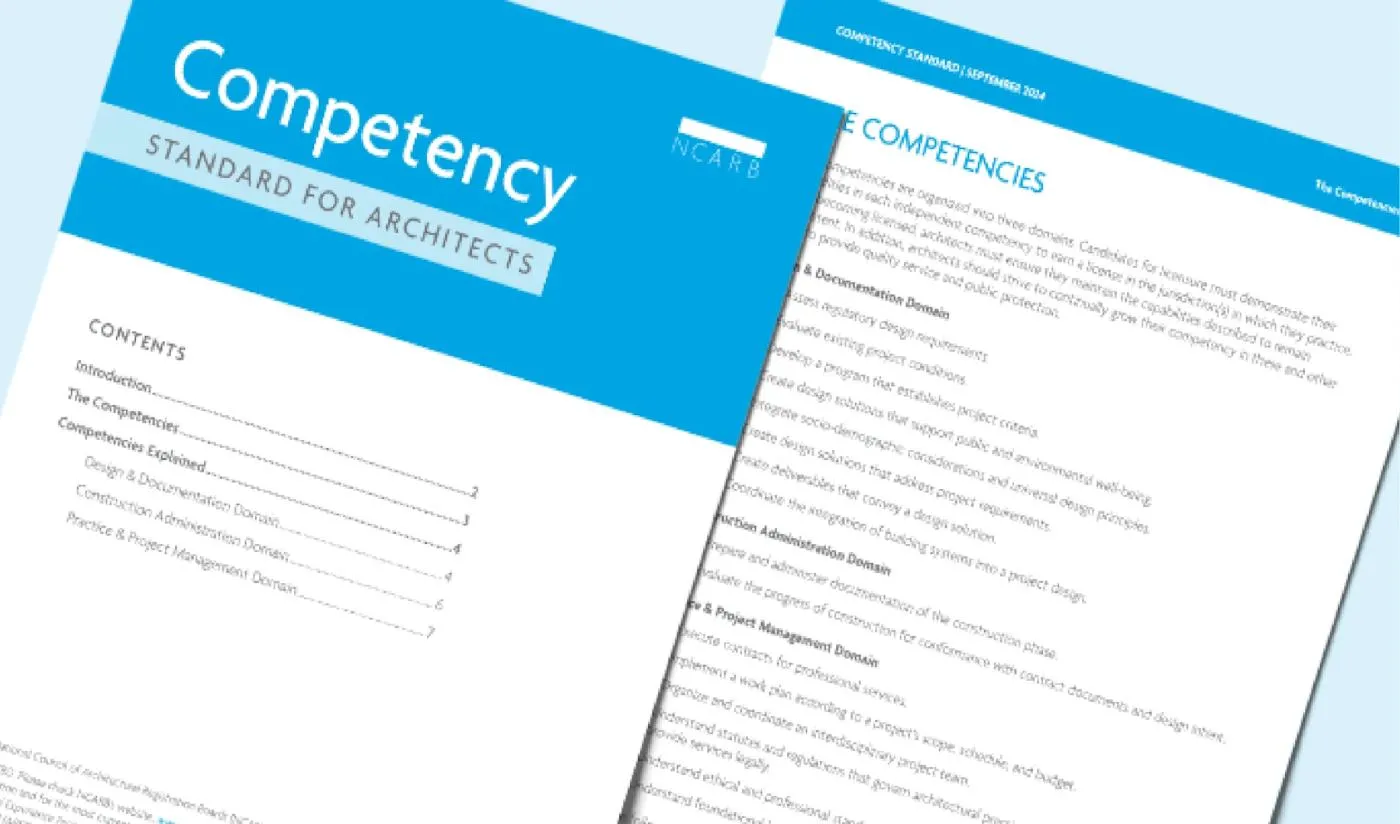
NCARB’s Pathways to Practice effort is expected to take several years. To ensure all licensure candidates are held to the same expectations, recent updates to NCARB’s current programs and the development of future programs are both based on the NCARB Competency Standard for Architects. Developed with data and insights from thousands of practicing architects, the Competency Standard establishes the knowledge, skills, abilities, and behaviors necessary at the point of initial licensure.